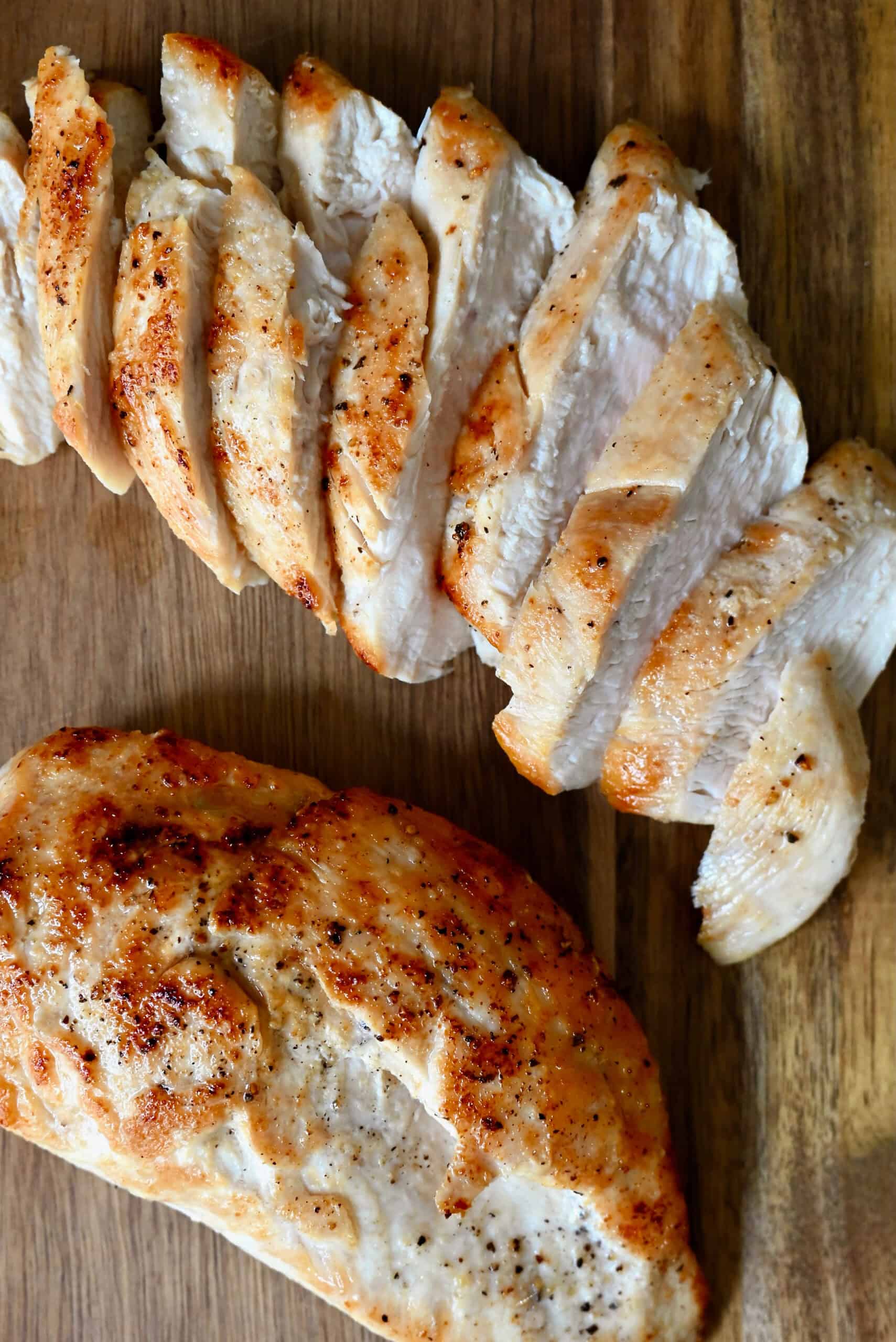
For many home cooks, the boneless, skinless chicken breast is a weeknight staple – lean, versatile, and quick to cook. Yet, it often gets a bad rap, branded as bland or, worse yet, notoriously dry. This culinary conundrum often stems from a simple fear: the dread of undercooked poultry. In an attempt to be safe, we often overcook, sacrificing tenderness and juiciness in the process. But what if we told you that dry, rubbery chicken breasts could become a thing of the past? Mastering how to cook chicken breasts to succulent perfection is not as intimidating as it seems. With a few key techniques and a little confidence, you can consistently achieve deliciously moist and flavorful results that will transform your meals.
Say goodbye to boring chicken and prepare to unlock the secrets to truly juicy chicken breasts. This comprehensive guide will walk you through the essential steps, from preparation to the final, crucial resting period, ensuring every bite is a testament to perfectly cooked poultry.
The Quest for Perfection: Understanding Why Chicken Breasts Get Dry
The journey to juicy chicken begins with understanding the nature of the meat itself. Boneless, skinless chicken breasts are inherently lean. Unlike their dark meat counterparts, chicken thighs, they contain very little fat. While this makes them a popular choice for health-conscious diners due to their low calorie and high protein content, it also makes them particularly susceptible to drying out if not handled correctly. Fat acts as a natural insulator and moisture retainer during cooking; without it, the muscle fibers quickly seize up and expel moisture when exposed to excessive heat.
The common culprit behind dry chicken is almost always overcooking. When chicken breasts cook beyond their ideal internal temperature, their protein structure tightens, squeezing out all the precious juices that contribute to their tenderness and flavor. This often happens because cooks, understandably concerned about food safety, err on the side of caution. However, by learning precise cooking methods and utilizing the right tools, you can confidently cook chicken breasts to a safe internal temperature of 165°F (74°C) without compromising their delightful succulence. It's about precision, not guesswork, that makes all the difference.
Mastering the Oven Method: Your Go-To for Juicy Chicken Breasts
Of the many ways to cook chicken, baking in the oven stands out for its simplicity, minimal mess, and consistent results. It’s also incredibly adaptable, allowing you to infuse your chicken with an array of flavors. This method is truly a game-changer for anyone wanting to know how to cook chicken breasts without fuss.
Step 1: Preparation is Key for Even Cooking and Flavor
- Achieve Even Thickness: Chicken breasts are naturally thicker at one end and taper down at the other, leading to uneven cooking. To combat this, place your chicken breasts between two sheets of plastic wrap and gently pound the thicker parts with a meat mallet (or a rolling pin) until they are of relatively even thickness, about ¾ to 1 inch throughout. Alternatively, for stir-fries or salads, you can cut the breasts into uniform cubes or slices, ensuring every piece cooks at the same rate. This simple step is vital for consistent results.
- Season Liberally: Salt is your chicken's best friend. It doesn't just add flavor; it helps the meat retain moisture. Always season your chicken generously with salt, preferably kosher salt, along with freshly ground black pepper. Beyond the basics, experiment with your favorite spices, dried or fresh herbs (like rosemary, thyme, or oregano), garlic powder, onion powder, or paprika. For an extra layer of flavor and tenderness, consider a quick brine. A simple saltwater solution or even just a dry rub of salt applied 30 minutes before cooking can significantly enhance juiciness by altering the protein structure.
Step 2: Optimal Oven Temperature & Cook Time
For oven-baked chicken breasts, a hot oven is crucial. We recommend preheating your oven to a robust 425°F (220°C). This high temperature allows the chicken to cook quickly and efficiently from the inside, while simultaneously promoting a delightful golden-brown crust on the exterior. Place your seasoned chicken breasts on a rimmed baking sheet (or an oven-safe skillet for an even crispier finish). The general cooking time at this temperature is about 20-25 minutes, but this can vary based on the size and thickness of your chicken breasts. For those who love an extra-golden exterior, consider browning the chicken in an ovenproof skillet on the stovetop for about 3-4 minutes per side before transferring the skillet directly to the oven to finish cooking for 10-15 minutes.
Step 3: The Unsung Heroes: Tools for Success
You don't need a lot of fancy equipment to master oven-baked chicken, but two items are non-negotiable:
- Rimmed Baking Sheet: Essential for containing any juices and preventing spills in your oven.
- Meat Thermometer: This is arguably the most important tool for consistently juicy chicken. Resist the urge to cut into the chicken to check for doneness, as this will only release precious internal juices. Instead, insert a reliable meat thermometer into the thickest part of the breast, ensuring it doesn't touch any bone. The USDA recommends a safe internal temperature of 165°F (74°C) for poultry. As soon as your chicken reaches this temperature, it's done.
Step 4: The Golden Rule of Resting
Once your chicken breasts reach 165°F, remove them from the oven immediately. This next step is perhaps the most crucial for ensuring juiciness: let them rest! Transfer the cooked chicken to a cutting board and tent it loosely with aluminum foil. Allow the chicken to rest for at least 5-10 minutes before slicing or serving. This resting period allows the muscle fibers, which have tightened during cooking, to relax and reabsorb the juices that have migrated to the center of the meat. Cutting into chicken too soon is a sure-fire way to let all those delicious juices run out onto your board, leaving you with a dry meal.
Beyond Basic Baking: Elevating Your Chicken Breast Game
Mastering the basic oven method is just the beginning. Chicken breasts are a blank canvas, ready to soak up whatever flavors you throw their way.
Customizing Flavors for Every Palate
Once you’re confident in the core technique of how to cook chicken breasts, unleash your culinary creativity. Beyond salt and pepper, consider:
- Marinades: While not strictly necessary for moisture with the right cooking technique, marinades infused with acids (like lemon juice or vinegar), oils, and herbs can add incredible depth of flavor.
- Rubs: Create custom spice rubs using ingredients like smoked paprika, chili powder, cumin, garlic granules, and brown sugar for a sweet and savory crust.
- Breadcrumb Coatings: For a delightful texture, coat your seasoned chicken in panko breadcrumbs mixed with Parmesan cheese and herbs before baking. Lightly misting with olive oil spray will help them crisp up beautifully.
Sheet Pan Dinners: The Ultimate Weeknight Solution
One of the easiest ways to cook chicken is to transform it into a vibrant sheet pan dinner. This method not only simplifies meal prep but also concentrates flavors as the chicken and vegetables cook together in their delicious pan juices. Simply chop your favorite sturdy vegetables (broccoli florets, bell peppers, zucchini, carrots, potatoes, or Brussels sprouts), toss them with olive oil and seasonings, and arrange them on a baking sheet alongside your prepared chicken breasts. Everything bakes at the same time, delivering a complete, healthy, and flavorful meal with minimal cleanup. The pan juices from the chicken will infuse the vegetables with an unbeatable savory essence.
Creative Uses for Cooked Chicken Breasts
Once you've cooked up a batch of perfectly juicy chicken breasts, the possibilities are endless for repurposing them throughout the week:
- Slice them over fresh salads or hearty grain bowls for a protein boost.
- Shred them and toss with your favorite pasta and sauce for a quick and satisfying dinner.
- Layer them into quesadillas, tacos, or sandwiches for a delicious lunch.
- Dice them for chicken salad, stir-fries, or even homemade chicken pot pie.
Common Pitfalls and How to Avoid Them
Even with the best intentions, a few common mistakes can derail your efforts for juicy chicken. Avoid these:
- Overcrowding the Pan: Give your chicken breasts space on the baking sheet. If they're too close together, they'll steam rather than roast, preventing that desirable golden crust. Use two baking sheets if necessary.
- Forgetting to Season: Bland chicken is often unseasoned chicken. Don't underestimate the power of salt and a good blend of spices.
- Skipping the Rest: We can't stress this enough. Resting is not optional; it's fundamental to juicy results.
- Guessing Doneness: Relying on visual cues or cutting into the chicken is a gamble. Invest in a meat thermometer and use it every time.
Learning how to cook chicken breasts doesn't have to be a daunting task. By focusing on even thickness, precise temperature control, and the vital resting period, you can consistently achieve incredibly moist, flavorful, and versatile chicken. Say goodbye to dry, bland meals and hello to perfectly cooked chicken breasts that will elevate your home cooking and become a staple in your culinary repertoire. Experiment with seasonings, explore sheet pan dinners, and enjoy the satisfaction of mastering this essential skill.
